La tutela del paesaggio e gli interventi di ripristino
sul territorio del “Portone”
The protection of the landscape and the restoration works in the “Portone” area.
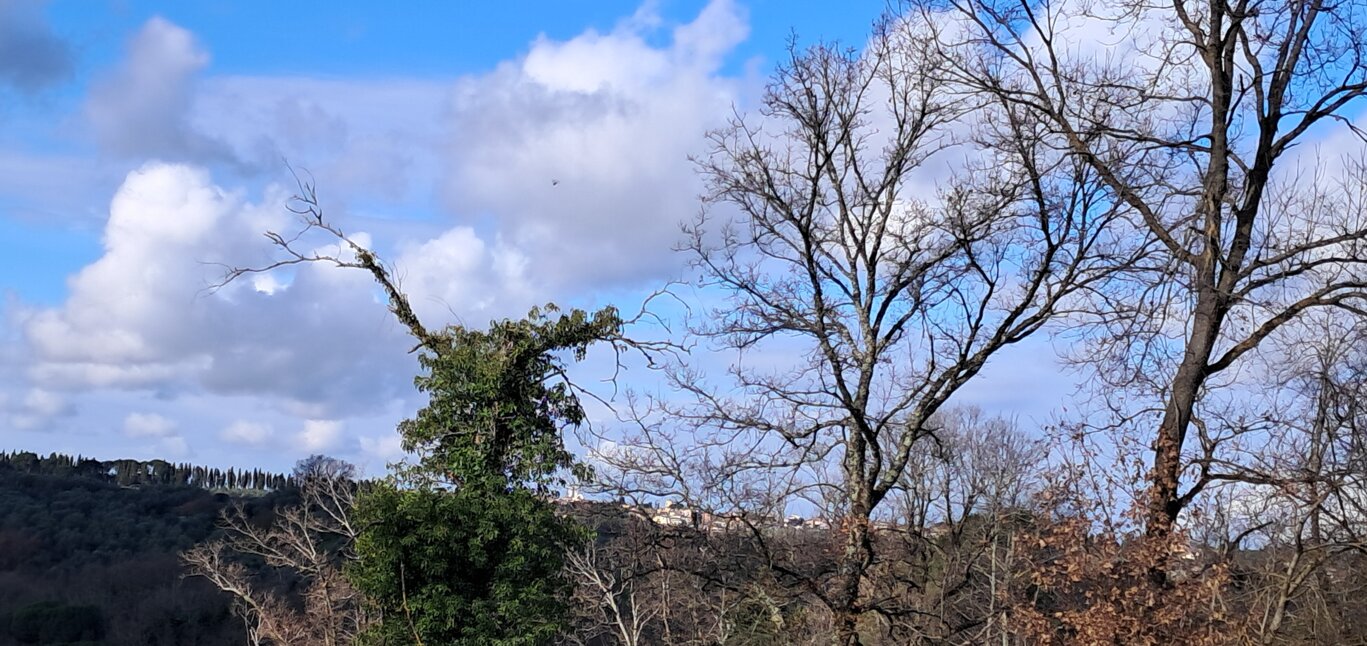
Il paesaggio rurale del Chianti fiorentino è uno dei più riconoscibili dell’intera Toscana, frutto di secoli di interazione armoniosa tra natura e attività umane. È un territorio segnato da rilievi morbidi, che creano un susseguirsi di crinali e vallate con viste ampie e ben bilanciate, come quella che si può godere dal Podere guardando verso il centro storico di San Casciano.
Il Chianti fiorentino rappresenta un esempio emblematico di paesaggio culturale in cui equilibrio estetico, funzionalità agricola e valore storico si fondono in modo particolarmente coerente: un paesaggio organizzato come un mosaico di colture, boschi e spazi aperti, risultato di una gestione agricola storica basata sulla mezzadria.
I filari di vite, spesso disposti secondo le curve di livello, ne sono l’elemento dominante: accanto a essi si trovano olivete secolari, che contribuiscono a un disegno ordinato dell’intero paesaggio. Ampie zone sono poi coperte da boschi di querce, lecci, castagni e da filari di cipressi, che alternano spazi coltivati e naturali, valorizzandone le biodiversità. Il paesaggio di San Casciano in Val di Pesa in particolare si distingue per il suo equilibrio tra coltivazione intensiva e permanenze storiche, rappresentando un modello di continuità tra attività agricola, insediamento umano e qualità paesaggistica: è un’espressione tipica e ben conservata del Chianti fiorentino, con caratteristiche che uniscono valore agricolo, storico e scenografico.
Il territorio è dominato da colline dolci, con crinali ampi e pendii regolari che digradano verso la valle della Pesa e i suoi affluenti. Il capoluogo di San Casciano, insieme a borghi minori, pievi romaniche e complessi religiosi sparsi, costituisce un sistema insediativo storico ben radicato nel paesaggio agricolo. Una fitta rete di strade rurali segue l’orografia naturale, offrendo visuali panoramiche e mantenendo un forte legame con la tradizione agricola del territorio.
Esempio di architettura rurale tipica del paesaggio chiantigiano, il complesso del Podere “Il Portone” si trova nei terreni adiacenti la storica Villa Caserotta: a causa dell’abbandono prolungato nel tempo, era arrivato a presentarsi in pessime condizioni di manutenzione, mantenendo tuttavia il grande pregio di aver conservato molte delle sue caratteristiche tipologiche originarie. Accanto agli immobili che sono stati oggetto di ripristino sorge anche una ulteriore e molto particolare costruzione, denominata “Il Portone” (da cui deriva il nome all’intero compendio), che anticamente era adibita al servizio di riscossione dei tributi dovuti da chi fosse in ingresso nel territorio comunale di San Casciano: di questa costruzione si trova riscontro nella documentazione storica del Comune di San Casciano in Val di Pesa, nella quale questo edificio viene classificato di rilevante valore.
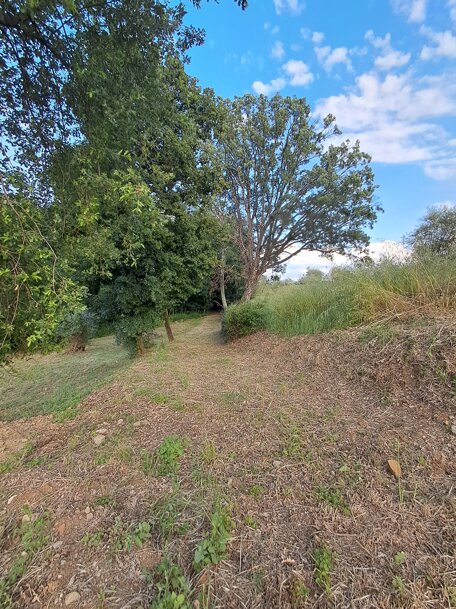
L’intervento realizzato ha incluso anche il ripristino della viabilità all’interno del podere, toccando i terreni destinati a oliveta e bosco. La strada poderale di accesso, che veniva utilizzata con finalità connesse alle attività rurali e alla vita delle persone addette alla conduzione del podere, si trovava in effetti in uno stato di precario utilizzo: non era stata sottoposta negli anni ad alcun intervento di manutenzione e le intemperie avevano generato il progressivo degrado del manto in terra battuta fino a provocarne la difficile agibilità se non la concreta impraticabilità per il transito.
L’obiettivo che è stato perseguito, sia in sede di progettazione che di realizzazione dei lavori di recupero, è stato quello di riqualificare in maniera significativa e di migliorare la qualità paesaggistica dell’intero compendio rurale e del panorama che lo circonda. La corografia del terreno e la vegetazione sono rimaste infatti inalterate, così da non modificare le relazioni spaziali e visive tra gli edifici ed il paesaggio circostante: dal filare di cipressi e bossi che accompagnano la strada di accesso, fino all’oliveta ed al bosco che delimitano il territorio oggetto di questa proposta, il progetto ha previsto un intervento di valorizzazione complessiva anche di tutte queste colture agro-forestali di interesse storico attraverso il ripristino delle alberature compromesse o mancanti e la riqualificazione delle aree destinate a oliveta, in realtà abbandonate da anni.
The rural landscape of Chianti is one of the most recognizable in all of Tuscany, the result of centuries of harmonious interaction between nature and human activity. It is a territory marked by gentle reliefs, creating a succession of ridges and valleys with wide, well-balanced views, such as the one that can be enjoyed from the Podere overlooking the historic center of San Casciano in Val di Pesa.
The “Chianti Fiorentino” area represents an emblematic example of a cultural landscape in which aesthetic balance, agricultural functionality, and historical value merge in a particularly coherent way: a landscape organized like a mosaic of crops, woodlands, and open spaces, the result of a historical farming system based on sharecropping (mezzadria).
Rows of vines, often arranged along contour lines, are its dominant feature: alongside them are centuries-old olive groves, which contribute to an orderly overall design of the landscape. Large areas are also covered by woods of oaks, holm oaks, chestnuts, and rows of cypress trees, alternating cultivated and natural spaces and enhancing biodiversity. The landscape of San Casciano in Val di Pesa in particular stands out for its balance between intensive cultivation and historical continuity, representing a model of continuity between agricultural activity, human settlement, and landscape quality: it is a typical and well-preserved expression of the Chianti region, with characteristics that combine agricultural, historical, and scenic value.
The territory is dominated by gentle hills, with broad ridges and regular slopes descending toward the Pesa valley and its tributaries. The town of San Casciano, together with smaller villages, Romanesque parish churches, and scattered religious complexes, forms a historical settlement system deeply rooted in the agricultural landscape. A dense network of rural roads follows the natural topography, offering panoramic views and maintaining a strong connection with the area’s agricultural tradition.
A typical example of rural architecture in the Chianti landscape, the Podere “Il Portone” complex is located on land adjacent to the historic Villa Caserotta estate. Due to prolonged abandonment over time, it had fallen into a very poor state of repair, while still retaining the great value of having preserved many of its original typological features. Alongside the buildings that were restored, there is also another highly distinctive structure known as “Il Portone” (from which the entire complex takes its name), which in the past was used as a toll collection point for duties owed by those entering the municipal territory of San Casciano. Historical records of the Municipality of San Casciano in Val di Pesa confirm the existence of this building, classifying it as being of significant value.
The intervention also included the restoration of internal roads within the farm, affecting land used as olive groves and woodland. The farm access road, historically used for agricultural activities and for the daily life of those working the estate, was in a state of poor usability: it had not been maintained over the years, and weathering had caused the progressive deterioration of the compacted earth surface, making it difficult - if not impossible - to use for transit.
The objective pursued both in the design phase and during the execution of the works was to significantly redevelop and enhance the overall landscape quality of the entire rural complex and its surrounding scenery. The terrain’s morphology and vegetation were left unchanged so as not to alter the spatial and visual relationships between the buildings and the surrounding landscape. From the row of cypress and boxwood trees lining the access road, to the olive grove and woodland that define the boundaries of the area covered by this proposal, the project included an overall enhancement of these historically significant agro-forestry elements through the restoration of damaged or missing trees and the rehabilitation of olive grove areas that had in fact been abandoned for years.